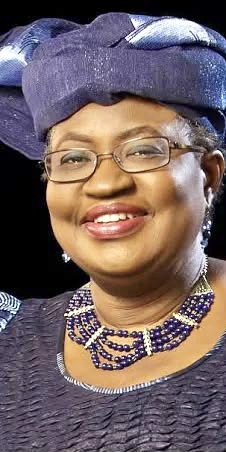
ABUJA – Director-General of the World Trade Organization (WTO), Dr. Ngozi Okonjo-Iweala, has said that despite growing geopolitical tensions, rising tariffs and increasing policy uncertainties, about 72 per cent of global merchandise trade continues to be conducted under the rules-based multilateral trading system supervised by the WTO.
Okonjo-Iweala made the disclosure on Thursday while speaking at the 7th Africa Emerging Markets Forum in Abuja, where she urged policymakers to resist protectionist tendencies and continue strengthening global trade cooperation.
The forum was jointly organised by the Central Bank of Nigeria (CBN), the Emerging Markets Forum (EMF) and the Centre for the Study of the Economies of Africa (CSEA).
She noted that although global trade has come under pressure from geopolitical conflicts, tariff increases, supply chain disruptions and economic uncertainty, the WTO remains the foundation of international commerce.
According to her, approximately 72 per cent of world merchandise trade still flows under the WTO’s Most-Favoured-Nation (MFN) tariff framework, while another 16 per cent is conducted under bilateral and regional trade agreements that are themselves built upon WTO principles.
“Most countries continue to trade on rules-based WTO terms. Around 72 per cent of global goods trade continues to flow on core WTO Most-Favoured-Nation tariffs,” she said.
She explained that the additional 16 per cent of global trade takes place within the wider WTO framework through preferential arrangements created under regional and bilateral trade agreements, underscoring the continued relevance of the multilateral trading system.
Providing an update on global trade performance, Okonjo-Iweala said world merchandise trade expanded by 4.6 per cent, driven largely by surging demand for artificial intelligence-related products, which helped offset weaknesses associated with higher tariffs and trade policy uncertainty.
She added that global services trade also maintained strong momentum, recording 5.3 per cent growth, while digitally delivered services—including financial technology, software, cloud computing and other online services—grew by almost six per cent, reflecting the accelerating digital transformation of the global economy.
According to the WTO chief, international trade has continued to recover strongly from the disruptions caused by the COVID-19 pandemic.
She said global merchandise trade volumes in 2025 were more than 12 per cent higher than pre-pandemic levels recorded in 2019, while services trade volumes had increased by 31 per cent over the same period.
On recent geopolitical developments, Okonjo-Iweala said countries had responded to the crisis affecting the Strait of Hormuz largely by adopting trade-facilitating measures rather than imposing additional trade restrictions.
She said governments had moved to ease restrictions on the movement of oil, gas and fertiliser products while exploring alternative shipping routes to minimise disruptions in global supply chains.
According to her, although such measures could not fully offset the economic impact of disruptions around the strategic waterway, they helped prevent an even more severe shock to the global economy.
“These measures have not been enough to compensate for the closure of the strait, which has affected the world and particularly vulnerable African countries through higher energy, fertiliser and food prices.
“They have, however, helped build resilience and prevented a situation that could have been considerably worse for the global economy,” she said.
Okonjo-Iweala observed that while strategic competition among major economies continues to reshape trade in sensitive sectors such as technology and critical minerals, most countries still recognise the importance of maintaining economic interdependence.
She described the growing importance of the Global South as one of the defining trends in international commerce, noting that South-South trade has expanded significantly over the past three decades.
According to her, the share of trade among developing countries has increased from less than 10 per cent of global trade in 1995 to approximately 25 per cent today, reflecting deeper economic integration across emerging markets.
She also revealed that developing countries are increasingly using regional and bilateral trade agreements to deepen commercial ties.
Of the 384 regional trade agreements formally notified to the WTO, she said, nearly half (49 per cent) are agreements between developing countries. Among eight additional agreements yet to be formally notified, the proportion involving developing economies is even higher.
Okonjo-Iweala further disclosed that 22 economies are currently working towards joining the WTO, which now has 166 member states, an indication that confidence in the multilateral trading system remains strong despite current global economic challenges.
The WTO has in recent years continued to advocate predictable, transparent and rules-based international trade, warning that escalating protectionism and unilateral trade measures could undermine global economic growth, particularly in developing countries that depend heavily on international markets for exports, investment and industrial development.
Protectionism – Okonjo-Iweala
ABUJA – Director-General of the World Trade Organization (WTO), Dr. Ngozi Okonjo-Iweala, has said that despite growing geopolitical tensions, rising tariffs and increasing policy uncertainties, about 72 per cent of global merchandise trade continues to be conducted under the rules-based multilateral trading system supervised by the WTO.
Okonjo-Iweala made the disclosure on Thursday while speaking at the 7th Africa Emerging Markets Forum in Abuja, where she urged policymakers to resist protectionist tendencies and continue strengthening global trade cooperation.
The forum was jointly organised by the Central Bank of Nigeria (CBN), the Emerging Markets Forum (EMF) and the Centre for the Study of the Economies of Africa (CSEA).
She noted that although global trade has come under pressure from geopolitical conflicts, tariff increases, supply chain disruptions and economic uncertainty, the WTO remains the foundation of international commerce.
According to her, approximately 72 per cent of world merchandise trade still flows under the WTO’s Most-Favoured-Nation (MFN) tariff framework, while another 16 per cent is conducted under bilateral and regional trade agreements that are themselves built upon WTO principles.
“Most countries continue to trade on rules-based WTO terms. Around 72 per cent of global goods trade continues to flow on core WTO Most-Favoured-Nation tariffs,” she said.
She explained that the additional 16 per cent of global trade takes place within the wider WTO framework through preferential arrangements created under regional and bilateral trade agreements, underscoring the continued relevance of the multilateral trading system.
Providing an update on global trade performance, Okonjo-Iweala said world merchandise trade expanded by 4.6 per cent, driven largely by surging demand for artificial intelligence-related products, which helped offset weaknesses associated with higher tariffs and trade policy uncertainty.
She added that global services trade also maintained strong momentum, recording 5.3 per cent growth, while digitally delivered services—including financial technology, software, cloud computing and other online services—grew by almost six per cent, reflecting the accelerating digital transformation of the global economy.
According to the WTO chief, international trade has continued to recover strongly from the disruptions caused by the COVID-19 pandemic.
She said global merchandise trade volumes in 2025 were more than 12 per cent higher than pre-pandemic levels recorded in 2019, while services trade volumes had increased by 31 per cent over the same period.
On recent geopolitical developments, Okonjo-Iweala said countries had responded to the crisis affecting the Strait of Hormuz largely by adopting trade-facilitating measures rather than imposing additional trade restrictions.
She said governments had moved to ease restrictions on the movement of oil, gas and fertiliser products while exploring alternative shipping routes to minimise disruptions in global supply chains.
According to her, although such measures could not fully offset the economic impact of disruptions around the strategic waterway, they helped prevent an even more severe shock to the global economy.
“These measures have not been enough to compensate for the closure of the strait, which has affected the world and particularly vulnerable African countries through higher energy, fertiliser and food prices.
“They have, however, helped build resilience and prevented a situation that could have been considerably worse for the global economy,” she said.
Okonjo-Iweala observed that while strategic competition among major economies continues to reshape trade in sensitive sectors such as technology and critical minerals, most countries still recognise the importance of maintaining economic interdependence.
She described the growing importance of the Global South as one of the defining trends in international commerce, noting that South-South trade has expanded significantly over the past three decades.
According to her, the share of trade among developing countries has increased from less than 10 per cent of global trade in 1995 to approximately 25 per cent today, reflecting deeper economic integration across emerging markets.
She also revealed that developing countries are increasingly using regional and bilateral trade agreements to deepen commercial ties.
Of the 384 regional trade agreements formally notified to the WTO, she said, nearly half (49 per cent) are agreements between developing countries. Among eight additional agreements yet to be formally notified, the proportion involving developing economies is even higher.
Okonjo-Iweala further disclosed that 22 economies are currently working towards joining the WTO, which now has 166 member states, an indication that confidence in the multilateral trading system remains strong despite current global economic challenges.
The WTO has in recent years continued to advocate predictable, transparent and rules-based international trade, warning that escalating protectionism and unilateral trade measures could undermine global economic growth, particularly in developing countries that depend heavily on international markets for exports, investment and industrial development.