LAGOS — The Standards Organisation of Nigeria (SON) has stressed that the success of Nigeria’s transition to electric vehicles (EVs) and Compressed Natural Gas (CNG)-powered transportation will depend on the development, enforcement and strict compliance with national standards designed to guarantee safety, quality and consumer confidence.
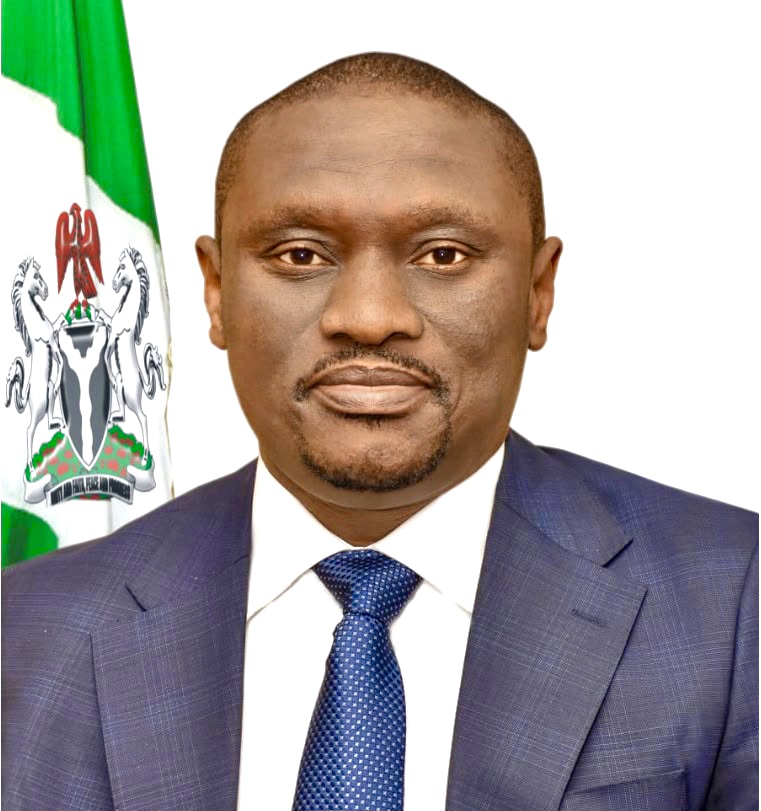
The Director-General of SON, Dr Ifeanyi Okeke, made the submission on Thursday at the 3rd Nigeria Auto Industry Summit held in Lagos, where key stakeholders in the automotive, energy and regulatory sectors examined Nigeria’s journey towards cleaner transportation.
The summit, organised by the Nigeria Auto Journalists Association (NAJA), was themed: “Nigeria’s Clean Mobility Future: The EV and CNG Journey Under the President Bola Tinubu Administration.”
Represented by the Deputy Director, Research and Statistics Division, Mr Olalekan Omoniyi, Okeke said standards and certification remained the foundation upon which the country’s clean mobility programme must be built.
According to him, Nigerians must have confidence that CNG cylinders, electric vehicle batteries, charging infrastructure and other components meet internationally recognised safety requirements before widespread adoption can be achieved.
He noted that the SON Act 2015 empowers the organisation to formulate national standards, certify products and enforce compliance throughout the country’s emerging clean mobility value chain.
Okeke disclosed that SON had already developed more than 80 standards for the CNG sector, including the comprehensive 87-standard CNG suite and NNG 1214:2024, while work was progressing on additional standards for electric vehicles and charging infrastructure.
He explained that existing conformity assessment programmes such as the Standards Organisation of Nigeria Conformity Assessment Programme (SONCAP), the Mandatory Conformity Assessment Programme (MANCAP) and the Vehicle Conformity Assessment Scheme (VehCAS/VehCAP) would play strategic roles in ensuring that vehicles, equipment and components entering the Nigerian market comply with approved safety specifications.
The SON boss urged the Federal Government to make certification compulsory for the importation, registration, licensing and public procurement of electric vehicles, CNG-powered vehicles, conversion components, charging equipment and related infrastructure.
He also called for the speedy completion and official publication of Nigeria’s national electric vehicle standards covering charging interoperability, battery safety, performance requirements and end-of-life battery recycling and disposal.
Okeke advocated compulsory licensing and certification of all CNG vehicle conversion centres to ensure that only qualified technicians carry out conversions in line with approved standards.
He further recommended mandatory certification labels on CNG cylinders, EV batteries and charging equipment, supported by traceability systems and regular compliance inspections to eliminate substandard products from the market.
According to him, there is also an urgent need for greater investment in modern accredited laboratories capable of testing high-pressure gas cylinders, lithium-ion batteries and EV charging systems to international standards.
The SON Director-General called for stronger institutional collaboration among regulatory agencies through the development of a unified national guideline that clearly defines responsibilities while adopting SON standards as the common benchmark for implementation.
He equally proposed that government-backed financing schemes for clean mobility projects should be tied to certified products and compliant operators, saying such an approach would enhance safety while encouraging quality investment.
Okeke added that expanding mutual recognition arrangements under the SON-African Organisation for Standardisation (ARSO) Dual Marking Scheme would improve the competitiveness of Nigerian automotive products and facilitate exports under the African Continental Free Trade Area (AfCFTA).
He also stressed the need for sustained public awareness campaigns to educate consumers on certification marks and the dangers associated with uncertified CNG and electric vehicle equipment.
“SON remains committed to supporting a safe, sustainable and globally competitive clean mobility ecosystem that will drive Nigeria’s industrial growth and energy transition,” he said.
Earlier, the Chairman of the Nigeria Auto Journalists Association, Mr Theodore Opara, said the global automotive industry was undergoing one of its biggest transformations as countries increasingly embraced cleaner transportation technologies to reduce greenhouse gas emissions, improve energy efficiency and build sustainable economies.
He observed that Nigeria could not afford to be left behind, particularly as the Federal Government continues to promote alternative fuel vehicles as part of its broader energy transition strategy.
According to Opara, the summit was convened to provide a platform for policymakers, regulators, manufacturers, energy providers, financial institutions and industry operators to examine both the opportunities and challenges associated with the country’s clean mobility drive.
He noted that the President Bola Tinubu administration had introduced several policy initiatives encouraging the adoption of CNG-powered vehicles following the removal of petrol subsidy, while also promoting electric mobility, local automotive manufacturing and investment in alternative energy infrastructure.
He expressed optimism that deliberations at the summit would produce practical recommendations capable of shaping national policy, attracting investment, expanding local vehicle production and accelerating the deployment of cleaner transportation technologies across Nigeria.
Nigeria’s push towards EVs and CNG forms part of its broader energy transition agenda aimed at reducing dependence on petrol, lowering transportation costs, improving energy security and cutting carbon emissions. While CNG has emerged as the immediate alternative due to the country’s abundant natural gas reserves, experts believe sustained investment in standards, charging infrastructure, local manufacturing and technical capacity will be essential for achieving a safe and sustainable transition to cleaner mobility.