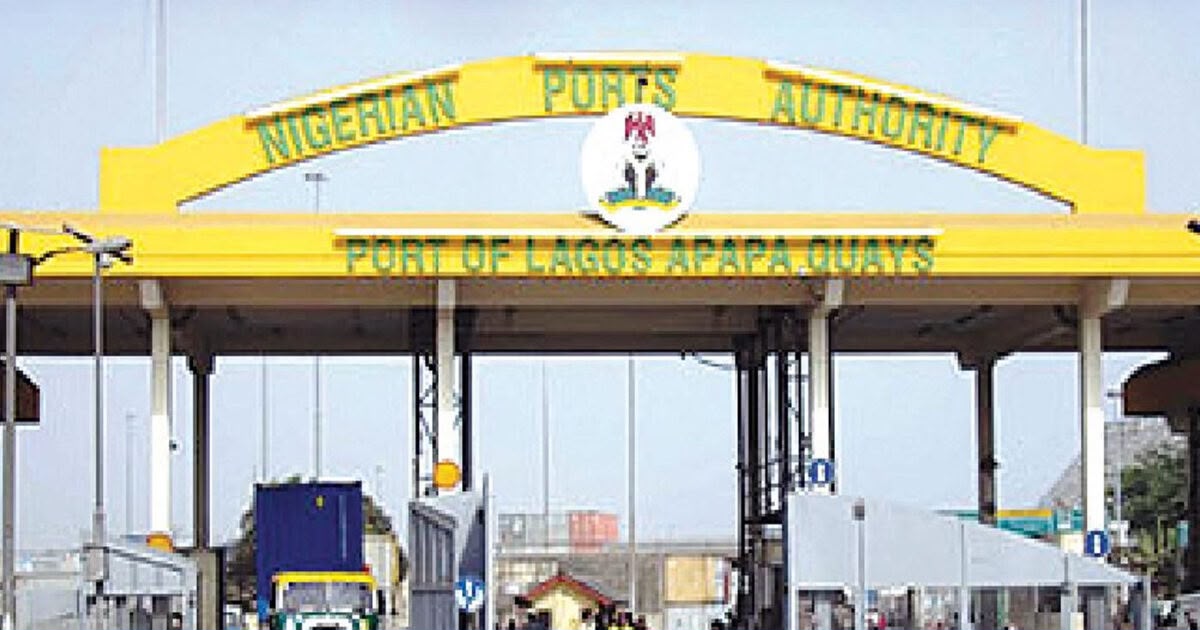
The Nigerian Ports Authority (NPA) has announced that no fewer than 39 vessels laden with petroleum products, food commodities, containers and industrial raw materials are expected to arrive at the Lagos port complex between Monday and Saturday, signalling another busy week of maritime activities at the nation’s busiest seaports.
The authority disclosed this in its Daily Shipping Position released on Monday, detailing expected vessel movements across Apapa Port, Tin Can Island Port and Lekki Deep Sea Port.
According to the NPA, 11 of the incoming vessels are container ships carrying a wide range of imported merchandise destined for manufacturers, wholesalers, retailers and consumers across the country.
The remaining 28 vessels are expected to berth with consignments including Premium Motor Spirit (PMS), popularly known as petrol, crude oil, Automotive Gas Oil (diesel), bulk urea, wheat, sugar, gypsum, liquefied gas, general cargo, repair materials and bulk pallets for various industrial and commercial users.
“The vessels are expected at Apapa, Lekki Deep Sea Port and Tin Can Island Port between Aug. 3 and Aug. 8,” the authority stated.
The shipping position further showed that 10 vessels had already arrived at the Lagos ports and were awaiting berthing clearance.
The waiting vessels are carrying petrol, crude oil, bulk wheat, fertiliser, containers and general cargoes, indicating sustained cargo traffic despite the operational demands associated with port logistics.
The NPA also reported that cargo operations are currently ongoing across the three major Lagos ports, with 21 vessels actively discharging imports.
The cargoes being handled include containers, bulk wheat, petrol, crude oil, base oil, bulk sugar, general cargo and other industrial inputs required for manufacturing, energy distribution and commercial activities nationwide.
Industry analysts said the steady inflow of petroleum products, food commodities and industrial raw materials reflects the continued importance of Lagos ports as Nigeria’s principal maritime gateway, handling the bulk of the country’s seaborne imports.
They noted that regular vessel traffic is critical to maintaining supply chains, supporting manufacturing activities, ensuring fuel availability and stabilising domestic markets.
The analysts, however, stressed that efficient cargo clearance and faster turnaround time remain essential to preventing congestion at the ports and reducing the cost of doing business. They urged all agencies operating at the ports to sustain ongoing reforms aimed at improving operational efficiency, trade facilitation and cargo evacuation.
Lagos ports—comprising Apapa Port, Tin Can Island Port and the Lekki Deep Sea Port—account for the largest share of Nigeria’s maritime trade, serving as the primary entry points for containerised cargo, petroleum products, food imports and industrial raw materials. The ports are central to the Federal Government’s drive to enhance trade competitiveness through improved infrastructure, digitalisation of port processes and ongoing modernisation of the nation’s maritime logistics system.
The NPA’s daily shipping position provides stakeholders with real-time information on vessel arrivals, berthing schedules and cargo operations, enabling shipping companies, importers, exporters, terminal operators and freight forwarders to plan logistics and cargo handling more efficiently