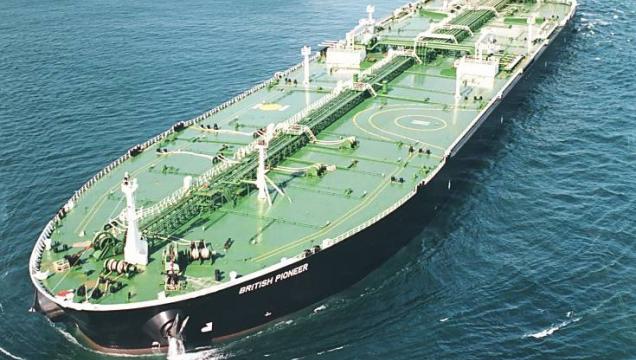
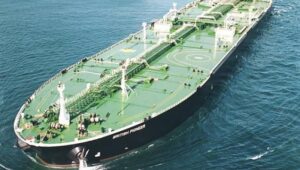
 Nigeria’s recent ban on 113 vessels from loading at its oil terminals and territorial waters is eliciting unfavourable reactions across the globe. Tankers involved are in the Very Large Crude Carriers (VLCCs) category. Protests in this regard are being championed by the International Association of Independent Tanker Owners. The International Association of Independent Tanker Owners or Intertanko is one of the largest groupings in the global shipping industry with 207 full and 285 associate members. The association has a registered fleet of over 3,000 tankers of over 270 million dwt.
On July 15, a document was issued by the Nigerian National Petroleum Corporation banning the tankers from entering Nigerian territorial waters and oil facilities. The ban was ordered by President Muhammadu Buhari. The move is believed to be part of the country’s efforts to curb illegal oil trading. The ban is also perceived as part of measures to ensure that dues such as port and maritime fees are collected as at when due. According to the July 15 order signed by Gbenga O. Komolafe, NNPC’s group general manager, crude oil marketing division, the 113 tankers are henceforth, prevented from engaging in crude oil/gas loading activities in any of the terminals within the Nigerian territorial waters until further notice.
“We hear it is about the outturn figures, as there are sometimes differences between the loading and discharge figures, especially with certain countries,” a trader active in the West African crude oil market said while reacting to the order.
Intertanko had issued a letter of protest to NNPC’s London office, with copies to the Nigerian high commissioner and the country’s Alternate Permanent Representative at the International Maritime Organization.
“There is no reference to policies and requirements and no evidence or grounds are given for the ban,” the letter addressed to NNPC said.
According to Michele White, Intertanko’s General Counsel, “many of these ships have not traded [in] Nigeria for a number of years and some have never been there”. He said that these bans should be lifted with immediate effect until grounds and evidence for the ban have been given to each vessel and its owner or operator, and the owner or operator has had an opportunity to respond.
The owners also said they want the oil companies to share their oil loading and discharge figures in case this information is sought by the Nigerian government.